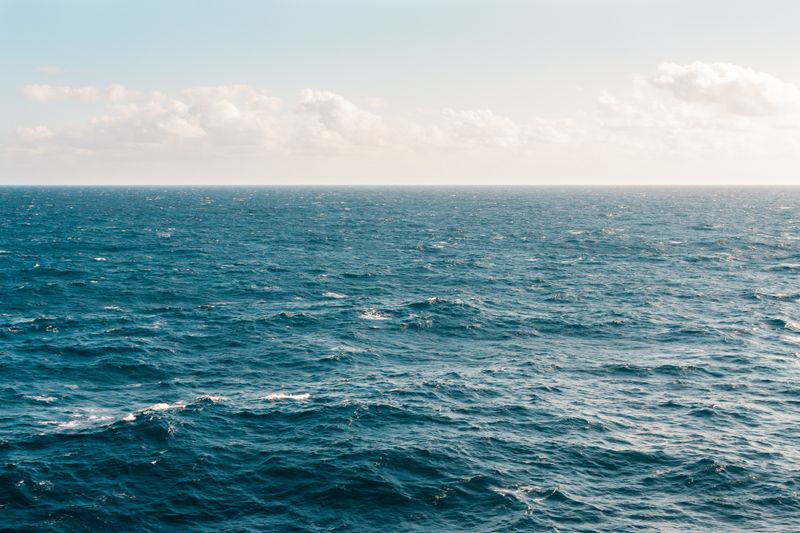
Hydro-Pulse: The Dynamics of Sub-Surface Mapping
The DeepCurrent system represents a paradigm shift in maritime monitoring. By deploying autonomous, self-anchoring sonar arrays along critical North Atlantic shipping corridors, we are moving past traditional bathymetric charts to construct a living, high-fidelity acoustics grid. This grid provides continuous, real-time data on tidal surges, current patterns, and subtle salinity gradients—data synthesized by a submerged, distributed neural network.
Beyond Manual Sweeps: A Fluid Dynamics Approach
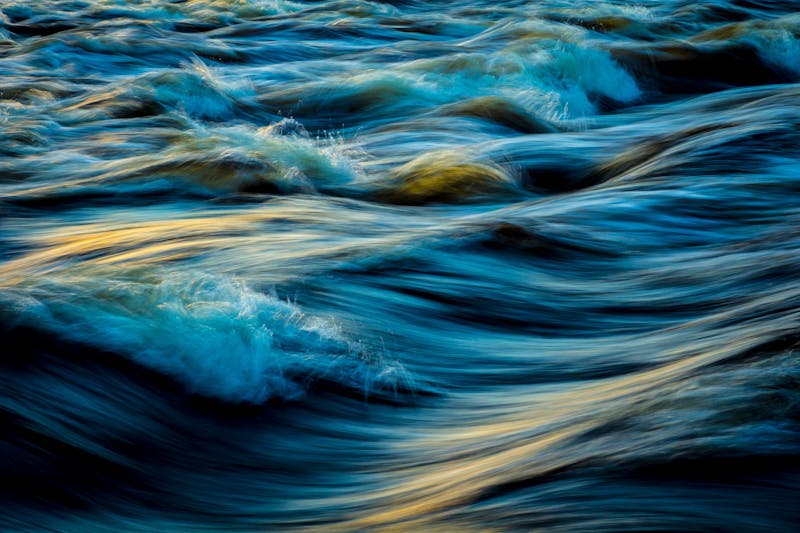
Traditional methods rely on periodic manual sonar sweeps, creating static snapshots of a dynamic environment. Hydro-Pulse focuses on the fluid dynamics of the sub-surface. Our localized hydro-acoustic modeling creates a predictive framework. This allows for the anticipation of sediment shifts, the identification of micro-currents that affect structural load, and the enhancement of navigational precision for emerging unmanned vessel corridors. It's about understanding the ocean's pulse, not just its depth.
Synthesis with Geothermal Telemetry
A key frontier explored by this initiative is the integration of deep-sea geothermal vent monitoring with our telemetry hubs. These vents are not just geological features; they are dynamic heat and mineral sources that influence local salinity, chemistry, and current patterns. By co-locating sensor packages, the DeepCurrent grid can track these influences, turning geothermal harvesting sites into rich data nodes that feed back into our acoustic models, creating a more complete picture of the deep-sea environment.
"The goal is a symbiotic network: the ocean informs the system, and the system enhances our understanding of the ocean. It's a continuous dialogue conducted through sound and data."
The implications are vast—from securing underwater infrastructure like cables and pipelines to enabling safer, more efficient routes for autonomous shipping. This is hydro-tech at its core: leveraging aquatic acoustics and neural mapping to listen to and interpret the complex, fluid language of the deep sea.
Contact the Research Team: For technical inquiries regarding the DeepCurrent system or sub-surface mapping data, reach out to the Hydro-Pulse Maritime Center: [email protected].
Hydro-Pulse Maritime Center
1200 Market Street, Suite 400
Halifax, NS B3J 3M3